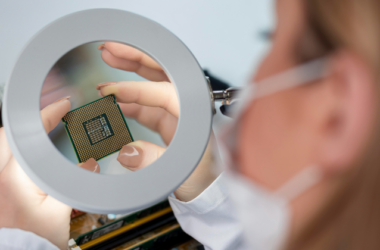
Making gaming hardware depends on global supply chains, and right now those chains are focused on artificial intelligence. As tech companies build large data centers, chip manufacturers are shifting production toward specialized memory modules for high performance servers. That shift has reduced the supply of standard memory chips, leaving less supply for PCs and consumer electronics. As a result, prices for everyday memory have risen, creating higher costs for companies planning new gaming hardware.
Rising memory costs are already affecting consumer tech products. Valve saw this firsthand with its Steam Frame VR headset, which launched at a higher price partly due to expensive components. Other handheld makers are also feeling the squeeze as the parts required to build these devices become more costly. In a market where memory chips are getting more expensive, designing an affordable gaming device with strong performance is a tough balancing act.
Despite these market pressures, Valve says its plans for a Steam Deck Two remain on track. Company engineers have made clear that they want a true generational jump in performance rather than a minor update with small speed increases. The current memory shortage has made parts more expensive, but Valve has not reduced its target performance goals or altered its core plans for the device.
The main issue comes down to balancing release timing with manufacturing costs. Valve operates differently than tech companies that release new handheld models every year. The original Steam Deck worked well because it offered good performance at a reasonable price, allowing Valve to recoup costs through game sales on Steam. Releasing a sequel while memory prices are high would force Valve to either use weaker parts or charge customers a much higher price.
Industry reports suggest a new model may not arrive until around twenty twenty eight, giving memory prices time to settle down. Until then, Valve is focused on improving its software rather than rushing new hardware to market. Gamers may have to wait longer, but holding off during a memory shortage helps keep the next device both powerful and affordable.