

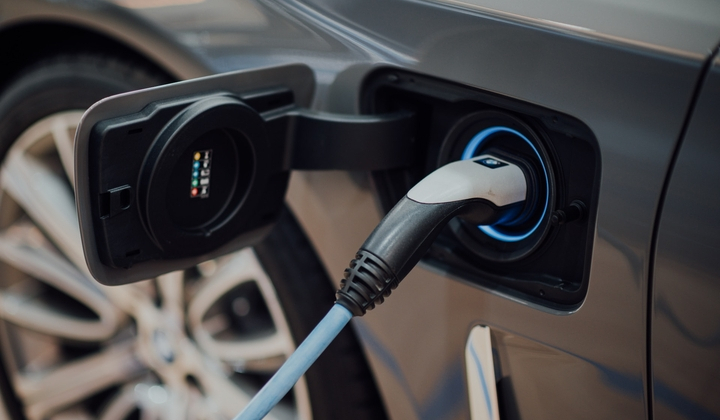
To maintain competitiveness in the global electric vehicle (EV) market, Malaysia must proactively shift its strategy to secure equity in the EV supply chain rather than relying solely on attracting foreign direct investment (FDI) from multinational companies.
NanoMalaysia Bhd, a company under the Ministry of Science, Technology, and Innovation (MOSTI), underscores the critical importance of prioritising local technology, nurturing domestic talent, and encouraging local investments, according to The Edge Malaysia.
NanoMalaysia’s CEO, Dr. Rezal Khairi Ahmad, stresses the need to avoid excessive dependence on FDI and multinational corporations. Instead, he advocates for actively securing equity in the EV supply chain to ensure Malaysia’s active participation and influence in this dynamic sector.
Dr. Rezal expressed this perspective during the Malaysia EV Technology 2023 Conference, calling for creating a balanced and mutually beneficial environment that allows both domestic and international players to thrive. He urges harnessing local strengths, talents, and investments to assert Malaysia’s presence in the EV industry.
The CEO also highlights the necessity for the government and the private sector to reassess their strategies collaboratively, fostering a harmonious synergy. Realigning domestic investments is crucial to ensure that companies like Tesla and Amazon can benefit from local market incentives.
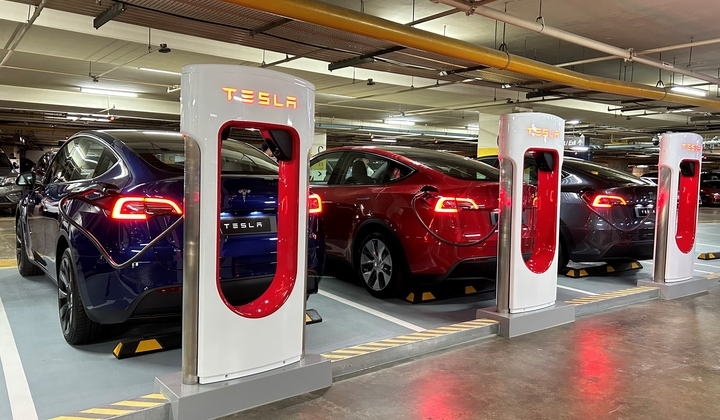
Despite the current presence of 1,246 EV charging stations nationwide, the ambitious goal of reaching 10,000 EV charging stations within the next two years poses a significant challenge. Dr. Rezal acknowledges the difficulty of this target but remains optimistic, noting the collaborative efforts of various entities contributing to EV adoption.
Malaysia aims to have 10,000 EV charging stations in place by 2025 under the Low Carbon Mobility Footprint 2021-2030, comprising 9,000 alternating current charges and 1,000 direct current charges.
MOSTI Deputy Minister Datuk Arthur Joseph Kurup recognises the novelty of EVs in the local market and highlights the inadequacy of the existing 1,000-plus EV charging stations to meet growing demand.
Analysts have raised concerns about the economic viability of achieving this target within the specified timeframe. Challenges include the economic feasibility of charging stations, the rate of EV adoption, significant costs and investment requirements, and the need for a reliable electricity supply.